
Call us now :08045803034
 Send Inquiry
 Send Inquiry
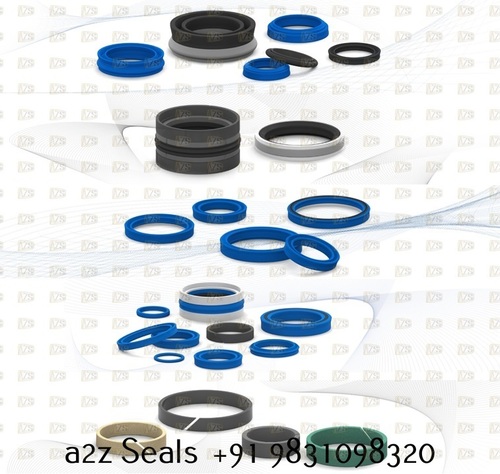
Compact Seal
Price 100.00 INR/ Set
MOQ : 1 Set
Compact Seal Specification
- Feature
- Excellent sealing, Wear resistance, Long service life
- Hardness
- 85 ±5 Shore A
- Tolerance
- ±0.1 mm
- Material
- BUCKET
- Style
- Compact
- Shape
- Ring
- Temperature
- -30°C to +100°C
- Application
- Hydraulic and Pneumatic Cylinders
- Pressure Resistance
- Up to 400 Bar
- Color
- Blue
- Inner Diameter Range
- 10 mm to 190 mm
- Usage
- Reciprocating motion sealing
- Standard
- ISO 5597
- Storage Condition
- Cool, dry place
- Installation Type
- Radial
- Outer Diameter Range
- 20 mm to 200 mm
Compact Seal Trade Information
- Minimum Order Quantity
- 1 Set
- Supply Ability
- 100 Sets Per Day
- Delivery Time
- 7 Days
- Main Domestic Market
- Andaman and Nicobar Islands, Nagaland, Uttarakhand, Daman and Diu, Dadra and Nagar Haveli, Lakshadweep, , South India, North India, East India, West India, Andhra Pradesh, Assam, Arunachal Pradesh, Bihar, Chhattisgarh, Chandigarh, Delhi, Gujarat, Goa, Haryana, Himachal Pradesh, Jammu and Kashmir, Jharkhand, Karnataka, Kerala, Madhya Pradesh, Maharashtra, Mizoram, Meghalaya, Manipur, Odisha, Punjab, Pondicherry, Rajasthan, Sikkim, Tamil Nadu, Telangana, Tripura, Uttar Pradesh, West Bengal, All India, Central India
Compact Seal About
A compact seal is a type of seal used in hydraulic and pneumatic systems to prevent fluid or gas leakage between two components. The compact seal is designed to operate in a confined space and can withstand high pressure, temperature, and abrasive conditions.
Compact seals consist of a sealing element, usually made of rubber or plastic, and a metal housing that holds the sealing element in place. The seal is designed to create a tight and secure seal between two components, preventing fluid or gas from leaking out and maintaining the integrity of the system.
Engineered for High-Performance Sealing
Our Compact Seal offers exceptional leakage control and durability, supporting operating pressures up to 400 Bar. Built to ISO 5597 standards with a ring shape, this seal excels in hydraulic and pneumatic cylinders with reciprocating movement, providing optimal sealing performance and minimizing maintenance needs.
Versatile Size and Application Range
With outer diameters ranging from 20 mm to 200 mm and inner diameters from 10 mm to 190 mm, this Compact Seal fits various system requirements. It is designed for easy radial installation, ensuring a reliable fit and long-lasting service in demanding industrial environments.
Excellent Material and Construction
Manufactured from high-quality BUCKET material with a hardness rating of 85 5 Shore A, the Compact Seal exhibits outstanding wear resistance and mechanical integrity. It maintains its form and sealing ability across temperature extremes of -30C to +100C, providing robust performance where it's needed most.
FAQ's of Compact Seal:
Q: How is the Compact Seal installed in hydraulic and pneumatic cylinders?
A: The Compact Seal is designed for radial installation, allowing it to be easily slid into cylinder grooves. Its standardized ring shape and tolerance of 0.1 mm ensure a precise fit in both new and replacement applications.Q: What applications are best suited for this Compact Seal?
A: This seal is ideal for use in hydraulic and pneumatic cylinders, specifically in systems that require sealing for reciprocating motion. Its excellent sealing properties and pressure resistance make it suitable for industrial equipment exposed to high operating demands.Q: When should I replace the Compact Seal?
A: It is recommended to replace the Compact Seal when you observe signs of wear, leakage, or a reduction in sealing efficiency. Regular maintenance checks can help maximize equipment lifespan and prevent unplanned downtime.Q: Where should the Compact Seal be stored before installation?
A: To maintain material integrity, the Compact Seal should be stored in a cool, dry place away from direct sunlight and sources of heat. Proper storage helps prevent premature aging or changes in its mechanical properties.Q: What is the process of selecting the correct Compact Seal size?
A: To select the correct size, measure your equipment's inner and outer diameters and match them with the seal's provided range (ID 10-190 mm, OD 20-200 mm). Also, confirm compatibility with your application's pressure and temperature requirements.Q: How does the Compact Seal benefit hydraulic and pneumatic systems?
A: By providing excellent sealing, wear resistance, and a long service life, the Compact Seal helps minimize fluid leakage, enhances equipment efficiency, and reduces the need for frequent seal replacements or downtime.Q: What makes the Compact Seal a reliable choice for high-pressure applications?
A: Its BUCKET material composition, precise hardness rating, and ISO 5597 compliance enable the seal to withstand pressures up to 400 Bar while retaining its shape and sealing capabilities, making it a dependable option for demanding environments.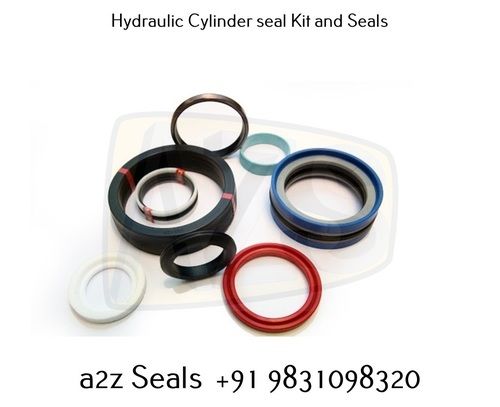
Tell us about your requirement

Price:
Quantity
Select Unit
- 50
- 100
- 200
- 250
- 500
- 1000+
Additional detail
Mobile number
Email

More Products in OEMs Seals kit Category
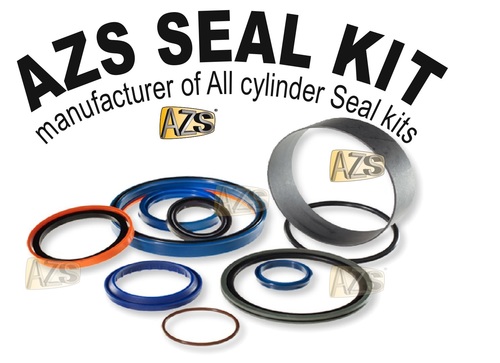
Hitachi Seals
Price 100.00 INR / Set
Minimum Order Quantity : 1 Set
Hardness : ARM SEAL KIT
Material : BUCKET
Shape : TRACK ADJUSTER
Temperature : SWING Celsius (oC)
Pneumatic Seal Kit
Price 100.00 INR / Set
Minimum Order Quantity : 1 Set
Hardness : 7090 Shore A
Material : BUCKET
Shape : Round
Temperature : 40C to 120C
Nbr Seal
Price 100.00 INR / Set
Minimum Order Quantity : 1 Set
Hardness : 70 5 Shore A
Material : BUCKET
Shape : Round
Temperature : 40C to +120C
Technolan Seals
Price 100.00 INR / Set
Minimum Order Quantity : 1 Set
Hardness : 855 Shore A
Material : BUCKET
Shape : Round
Temperature : 40C to +200C

 Send Inquiry


Our Products
- Komatsu BEML HM L&T Seal Kit
- Tata, Jcb, Cat, Volvo Seal Kit
- Hydraulic Seal Kit
- Cylinder Seal Kit
- Sog Oil Seal
- Industrial Seal Kit
- Seal Kit
- OEMs Seals kit
- Automotive Oil Seals
- O Ring Kit
- Spare Parts
- Rock Breaker Seal Kit
- Dumper Tipper Seals
- Pump Oil Seals
- Cylinder Seal Kits
- Crankshaft Oil Seal
- Oil Seal
- Oem A - D
- Oem E - J
- Oem K - P
- Oem Q - Z
- Seal Kits


P-27, Princep Street, 2nd Floor, Near APB Telegraph Office,Kolkata - 700072, West Bengal, India

Mr Bhaskar Gupta
(Partner)
Mobile :08045803034
 Send Inquiry
 Send SMS
 Call Me Free
Developed and Managed by Infocom Network Private Limited.
