
Call us now :08045803034
 Send Inquiry
 Send Inquiry
silicon seals
MOQ : 1 Piece
silicon seals Specification
- Stock
- Available in standard and custom sizes
- Load Capacity
- Medium to High
- Oil Resistance
- Good
- Finish
- Smooth, Matte
- Pressure
- Up to 12 MPa
- Wear Resistance
- Excellent
- Hardness
- 60-80 Shore A
- Temperature
- -60°C to +220°C
- Material
- Silicone Rubber
- Style
- Ring / Gasket / Strip
- Processing Type
- Molded / Extruded
- Diameter
- Customizable (1 mm to 2000 mm)
- Thickness
- Customizable (0.5 mm to 100 mm)
- Density
- 1.25 Gram per cubic centimeter(g/cm3)
- Application
- Automotive, Pharmaceutical, Food Processing, Electronics, Sealing
- Ozone Resistance
- Excellent
- Elongation at Break
- 200% - 400%
- UV Resistance
- Outstanding
- Compression Set
- Low (<20% at 150C for 22h)
- Tensile Strength
- 7 - 11 MPa
- Custom Size
- Available as per drawing/sample
- Tear Resistance
- Moderate to high
- Reusability
- Multiple cycles
- Color
- Red, White, Transparent, Blue, Custom
- Electrical Insulation
- Excellent
- Flame Retardancy
- On request
- FDA Compliance
- Available for food and pharmaceutical use
- Water Absorption
- <1% (excellent resistance)
- Climate Resistance
- Suitable for outdoor/harsh environments
silicon seals Trade Information
- Minimum Order Quantity
- 1 Piece
- Main Domestic Market
- Assam, Chandigarh, Himachal Pradesh, Manipur, Uttarakhand, Dadra and Nagar Haveli, Lakshadweep, , South India, North India, East India, Andaman and Nicobar Islands, Andhra Pradesh, Arunachal Pradesh, Bihar, Delhi, Daman and Diu, Gujarat, Goa, Haryana, Jammu and Kashmir, Karnataka, Kerala, Madhya Pradesh, Maharashtra, Mizoram, Meghalaya, Nagaland, Odisha, Punjab, Pondicherry, Rajasthan, Sikkim, Tamil Nadu, Telangana, Tripura, West Bengal, Central India, Uttar Pradesh, Jharkhand, West India, Chhattisgarh, All India
silicon seals About
Silicone seals are a type of seal made from silicone, a synthetic polymer material that is known for its excellent heat resistance, flexibility, and durability. Silicone seals are commonly used in a wide range of industrial and commercial applications, as well as in consumer products.
Silicone seals are typically molded or extruded into the desired shape and size, and can be designed to fit a variety of sealing applications, such as preventing air, water, or other fluids from leaking through gaps or joints. They can be used in both high and low temperature environments, and are resistant to a wide range of chemicals and solvents.
Exceptional Performance Across Applications
These silicone seals are trusted for their outstanding mechanical and chemical properties. High tensile strength and elasticity ensure excellent sealing under pressure (up to 12 MPa), while advanced resistance to water, oil, UV, ozone, and weathering make them ideal for automotive, pharmaceutical, food processing, electronics, and general industrial uses.
Engineered for Safety and Compliance
Safety is paramount, which is why our silicone seals adhere to FDA standards for food and pharmaceutical contact. Optional flame retardant properties and excellent electrical insulation mean they perform securely in demanding environments, offering not only reliability but also peace of mind for critical applications.
Tailored Solutions Available
We provide both standard and custom-molded or extruded sealsrings, gaskets, or stripsaltered to your specific drawings or samples. With flexible sizing from 1 mm to 2000 mm in diameter and 0.5 mm to 100 mm in thickness, these seals are suitable for both small-scale and large industrial requirements. Smooth, matte finishes complete the professional standard.
FAQs of silicon seals:
Q: How are silicone seals customized to specific application requirements?
A: Silicone seals can be custom-molded or extruded based on provided drawings or samples. Clients select the required color, hardness (60-80 Shore A), diameter (1 mm to 2000 mm), thickness (0.5 mm to 100 mm), and finish. This ensures fit and function for diverse applications such as automotive, pharmaceutical, or electronics.Q: What benefits do silicone seals offer for food and pharmaceutical industries?
A: These seals comply with FDA standards, ensuring they are safe for use where hygiene and contamination control are critical. They exhibit excellent resistance to water, low compression set, and can withstand high and low temperatures, making them ideal for regulated environments.Q: When should flame-retardant silicone seals be chosen?
A: Flame retardant properties are available upon request and should be selected for environments exposed to fire hazards or where additional safety certifications are mandated, such as in certain electronics, transportation, or public infrastructure sectors.Q: Where can these silicone seals be effectively utilized?
A: These seals are suitable for use in automotive, electronics, food processing, pharmaceutical, and general sealing applications. Their adaptability to harsh outdoor conditions, excellent ozone and UV resistance, and robust compression performance make them ideal for both indoor and outdoor usage.Q: What is the manufacturing process for these silicone seals?
A: Seals are produced using either molded or extruded processing techniques, depending on the application and complexity. This allows for tailored shapes, sizes, and mechanical properties, with the option for smooth or matte finishes as per customer preference.Q: How do silicone seals contribute to long-term usage and maintenance reduction?
A: Due to their outstanding weather, UV, ozone, and wear resistance, as well as the ability to withstand multiple reuse cycles, these seals minimize maintenance requirements and ensure long service life even in demanding environments.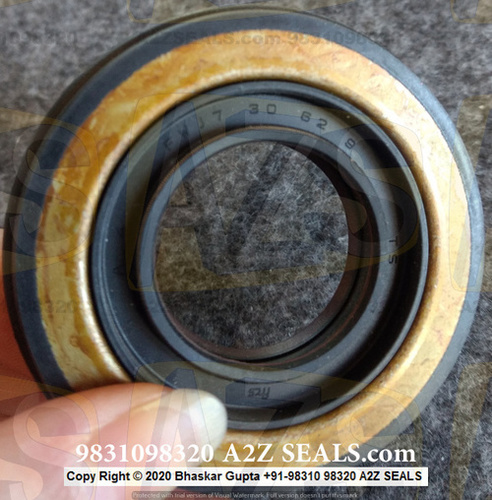
Tell us about your requirement

Price:
Quantity
Select Unit
- 50
- 100
- 200
- 250
- 500
- 1000+
Additional detail
Mobile number
Email

More Products in Crankshaft Oil Seal Category
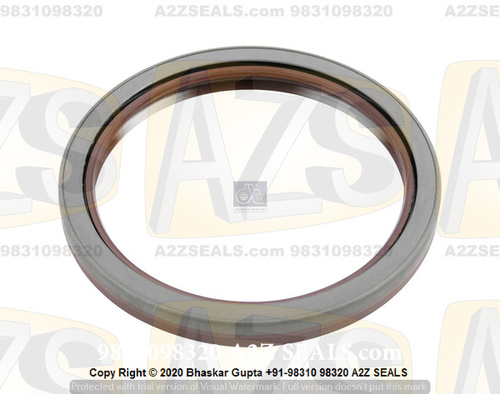
nitrile rubber seal
Price 900 / Piece
Minimum Order Quantity : 1 Piece
Stock : Available
Application : Hydraulic and Pneumatic Systems
Material : Other, Nitrile Rubber (NBR)
Load Capacity : Up to 1000 kg
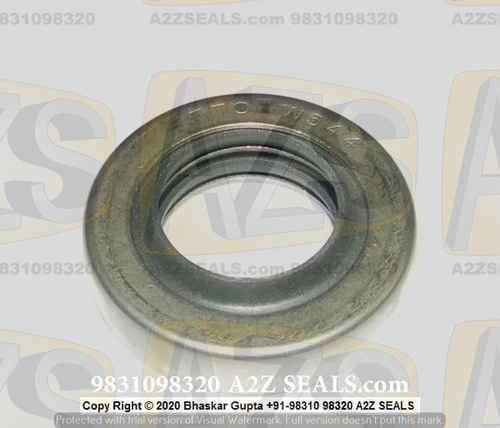
ptfe oil seal
Price 950 / Piece
Minimum Order Quantity : 1 Piece
Stock : Available
Application : Automotive, Mechanical Equipment, Hydraulic Systems
Material : Other, PTFE (Polytetrafluoroethylene)
Load Capacity : High
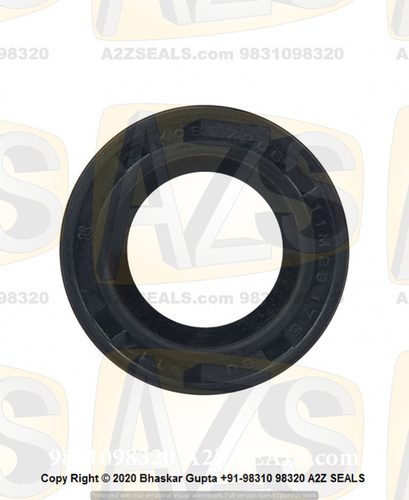
wheel oil seal
Price 1000 / Piece
Minimum Order Quantity : 1 Piece
Stock : Available
Application : Automotive Wheels
Material : Other, Nitrile Rubber (NBR)
Load Capacity : Suitable for heavyduty usage
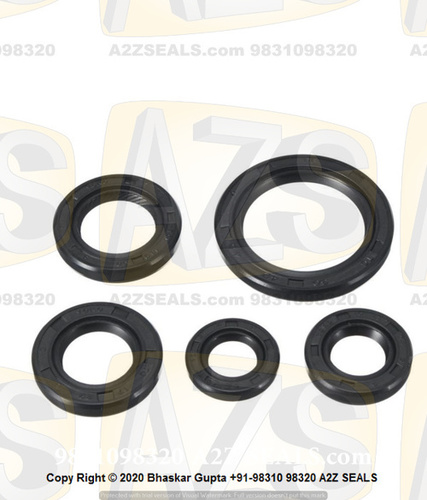
oil seal
Price 850 / Piece
Minimum Order Quantity : 1 Piece
Stock : Available
Application : Automotive, Industrial Machinery
Material : Other, Nitrile Rubber (NBR)
Load Capacity : Suited for medium loads

 Send Inquiry


Our Products
- Komatsu BEML HM L&T Seal Kit
- Tata, Jcb, Cat, Volvo Seal Kit
- Hydraulic Seal Kit
- Cylinder Seal Kit
- Sog Oil Seal
- Industrial Seal Kit
- Seal Kit
- OEMs Seals kit
- Automotive Oil Seals
- O Ring Kit
- Spare Parts
- Rock Breaker Seal Kit
- Dumper Tipper Seals
- Pump Oil Seals
- Cylinder Seal Kits
- Crankshaft Oil Seal
- Oil Seal
- Oem A - D
- Oem E - J
- Oem K - P
- Oem Q - Z
- Seal Kits


P-27, Princep Street, 2nd Floor, Near APB Telegraph Office,Kolkata - 700072, West Bengal, India

Mr Bhaskar Gupta
(Partner)
Mobile :08045803034
 Send Inquiry
 Send SMS
 Call Me Free
Developed and Managed by Infocom Network Private Limited.
