
Call us now :08045803034
 Send Inquiry
 Send Inquiry
Chevron Packing Seal
Price 100.00 INR/ Set
MOQ : 1 , , Set
Chevron Packing Seal Specification
- Shape
- Chevron/V-shaped
- Features
- Leak-proof, wear-resistant, high durability
- Diameter
- Customizable
- Noise Level
- Silent operation
- Surface Finish
- Smooth/Semi-finished
- Size
- From 10 mm up to 400 mm
- Lubricating System
- Requires external lubrication
- Capacity
- Suitable for high pressure applications
- Drive Type
- Manual
- Usage & Applications
- Hydraulic cylinders, pumps, automotive, heavy machinery
- Product Type
- Chevron Packing Seal
- Material
- High-grade synthetic rubber and fabric
- Technology
- Multi-lip packing design
- Power Source
- Manual
- Pressure
- Up to 350 bar
- Surface Treatment
- Smooth finish
- Dimension (L*W*H)
- Custom sizes available
- Weight
- Depends on dimensions
- Color
- Black
- Reinforcement
- Fabric inserted for extra strength
- Packing
- Polybag/Box as per requirement
- Compatibility
- Hydraulic oils, water, chemicals
- Temperature Range
- -20°C to +200°C
- Stacking Type
- Multiple rings in set
- Flexibility
- High
- Environmental Resistance
- Resistant to oil, abrasion, and chemicals
- Installation
- Easy to fit and remove
- Hardness
- 70-80 Shore A
Chevron Packing Seal Trade Information
- Minimum Order Quantity
- 1 , , Set
- Supply Ability
- 100 Sets Per Day
- Delivery Time
- 7 Days
- Main Domestic Market
- Chandigarh, Himachal Pradesh, Tripura, Andaman and Nicobar Islands, Nagaland, Daman and Diu, Dadra and Nagar Haveli, Lakshadweep, Delhi, , South India, East India, West India, Andhra Pradesh, Assam, Arunachal Pradesh, Goa, Haryana, Jammu and Kashmir, Jharkhand, Karnataka, Madhya Pradesh, Maharashtra, Mizoram, Meghalaya, Manipur, Punjab, Pondicherry, Rajasthan, Sikkim, Tamil Nadu, Telangana, Uttarakhand, West Bengal, Gujarat, North India, Bihar, Kerala, Central India, Uttar Pradesh, Odisha, Chhattisgarh, All India
Chevron Packing Seal About
Our team of highly qualified & experienced workforce helps us in manufacturing and supplyingChevron Packing Seal.The seal comprisesof rings ofmultiple lip seals, stacked vertically betweenreinforced header and base rings. This seal is suitable for medium and heavy-duty mechanical applications, within the construction, oil & gas and petrochemical industries. We use finest quality materials, sourced from trusted vendors to manufacture this seal.Chevron Packing Sealcomes in a variety of styles, materials and sizes to suit almost any application.
Features:
- Flexible enough to retain high & low pressure
- Easy to mount
- Resistant to high temperature
Advanced Multi-Lip Chevron Design
Utilizing a unique V-shaped profile, the Chevron Packing Seal incorporates multiple rings in each set, delivering outstanding sealing capability for hydraulic systems exposed to extreme conditions. The multi-lip structure effectively prevents leakage and accommodates both axial and radial movements, ensuring reliable performance under high pressure.
Exceptional Material and Reinforcement
Fabric-reinforced synthetic rubber grants these seals excellent flexibility, durability, and resistance to harsh chemicals and abrasive media. The smooth finish reduces friction and wear, extending the seals operational life even under demanding environments. Custom sizing allows compatibility with varied applications in industrial, automotive, and heavy machinery settings.
Easy Installation and Maintenance
Chevron Packers are simple to fit and remove, making maintenance efficient and hassle-free. Their manual drive type and requirement for external lubrication further streamline usage, accommodating hands-on environments where frequent change-outs or adjustments are necessary.
FAQs of Chevron Packing Seal:
Q: How do you install Chevron Packing Seals in hydraulic equipment?
A: Chevron Packing Seals are designed for straightforward manual installation. The seals can be easily fitted and removed, typically by stacking multiple rings in a set inside gland housings of hydraulic cylinders or pumps. Ensure surfaces are clean, apply external lubrication as required, and seat the rings firmly for optimal sealing.Q: What materials are used in the construction of Chevron Packing Seals?
A: These seals are manufactured using high-grade synthetic rubber combined with fabric reinforcement. The dual material approach enhances strength, flexibility, chemical, and abrasion resistance, making them suitable for tough industrial environments.Q: When should Chevron Packing Seals be replaced or maintained?
A: Routine maintenance is recommended to prevent leakage in high-pressure applications. Replace the seal when you observe signs of wear, loss of flexibility, compromised leakage protection, or during scheduled equipment servicing to maintain optimal performance.Q: Where can Chevron Packing Seals be applied for best results?
A: Chevron Packing Seals are highly versatile and are used in hydraulic cylinders, pumps, automotive systems, and heavy machinery across various industries. Their environmental resistance and durability make them ideal for demanding hydraulic and pneumatic applications.Q: What is the process for selecting the correct Chevron Packing Seal size?
A: To select the right seal size, determine the diameter and height specifications of your equipment. With custom sizes available from 10 mm up to 400 mm, consult your manufacturer or supplier for precise recommendations based on your applications operating pressure, temperature range, and compatibility needs.Q: How does the multi-lip design of these seals benefit hydraulic systems?
A: The multi-lip (Chevron/V-shaped) configuration enhances leak-proof performance by distributing sealing pressure evenly. This structure accommodates movement and misalignment, minimizes wear, and provides reliable, silent operation in high-pressure environments.Q: What are the advantages of using Chevron Packing Seals over standard seals?
A: Chevron Packing Seals offer superior leak resistance, high durability, and flexibility due to their reinforced structure and advanced design. They withstand elevated pressures, temperature variations, and chemical exposure far better than conventional sealing options, providing longer service life and reduced maintenance requirements.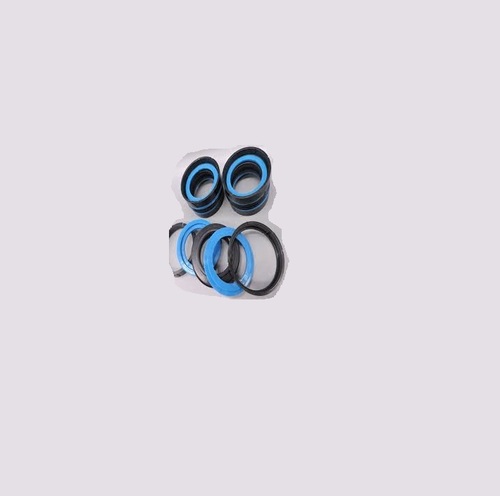
Tell us about your requirement

Price:
Quantity
Select Unit
- 50
- 100
- 200
- 250
- 500
- 1000+
Additional detail
Mobile number
Email

More Products in Spare Parts Category
Trenching Machine Seal
Price 100.00 INR / Set
Minimum Order Quantity : 1 Set
Usage & Applications : Trenching Machine Seal for Heavy Duty Industrial Equipment
Material : High Grade Rubber & Metal
Color : Black
Surface Treatment : Other, AntiCorrosive Coating
Gas Seals
Price 100.00 INR / Set
Minimum Order Quantity : 1 Set
Usage & Applications : Industrial compressors, Pumps, Turbines
Material : Stainless Steel, Carbon, Silicon Carbide
Color : Metallic Grey
Surface Treatment : Other, Polished
Bucket Seal
Price 100.00 INR / Set
Minimum Order Quantity : 1 Set
Usage & Applications : Hydraulic Buckets, Excavator Buckets, Construction Equipment
Material : Rubber
Color : Black
Surface Treatment : Other, Smooth Finish
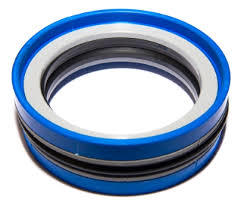
Cylinder Seal
Price 100.00 INR / Set
Minimum Order Quantity : 1 Set
Usage & Applications : Hydraulic and pneumatic cylinders, industrial machinery
Material : Highgrade Rubber
Color : Black / Custom
Surface Treatment : Other, Polished

 Send Inquiry


Our Products
- Komatsu BEML HM L&T Seal Kit
- Tata, Jcb, Cat, Volvo Seal Kit
- Hydraulic Seal Kit
- Cylinder Seal Kit
- Sog Oil Seal
- Industrial Seal Kit
- Seal Kit
- OEMs Seals kit
- Automotive Oil Seals
- O Ring Kit
- Spare Parts
- Rock Breaker Seal Kit
- Dumper Tipper Seals
- Pump Oil Seals
- Cylinder Seal Kits
- Crankshaft Oil Seal
- Oil Seal
- Oem A - D
- Oem E - J
- Oem K - P
- Oem Q - Z
- Seal Kits


P-27, Princep Street, 2nd Floor, Near APB Telegraph Office,Kolkata - 700072, West Bengal, India

Mr Bhaskar Gupta
(Partner)
Mobile :08045803034
 Send Inquiry
 Send SMS
 Call Me Free
Developed and Managed by Infocom Network Private Limited.
